
Your Budget Is a Plan, Not a Prediction
Your budget is finally based on realistic numbers—but what happens when the month still doesn't go according to plan? A budget doesn't have to work out perfectly every month. Learn how to use your budget as a flexible tool for making decisions instead of a scorecard for judging your financial success.
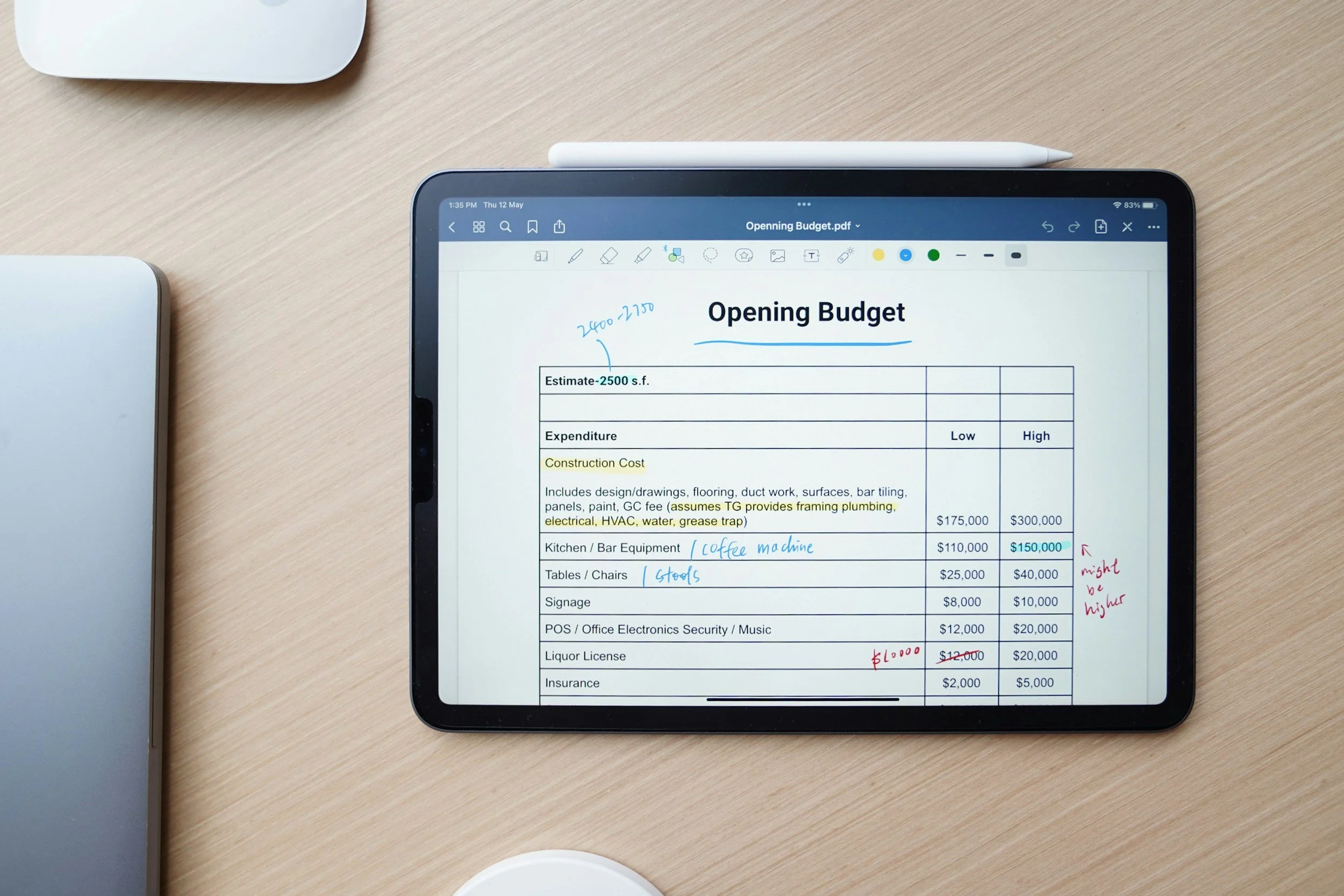
Why Your Budget Isn't Working—and What to Do Instead
If your budget looks great on paper but falls apart in real life, the problem may not be your discipline. A realistic budget starts with an honest look at what you're actually spending, then gets reviewed and adjusted as your life changes.
The Expenses You Forgot to Budget For: How to Plan for the "Extras"
The school supply list may tell you what you need for the first day, but it doesn't always tell you what the entire school year will cost. Field trips, picture day, activities, fees and other "little" expenses can add up quickly. The good news? You can start planning for them before they happen.

Back to School Isn't Just About Academics: 5 Money Lessons Kids Can Learn This Year
Back-to-school is a season of learning, but some of the most important lessons our kids learn won't come from a textbook. Money is one of them. From learning the difference between wants and needs to preparing for financial independence, everyday decisions can become valuable money lessons. And if you're looking for something more structured for your teen or young adult, STEADY takes those lessons a step further.

Back-to-School Spending: How to Prepare Without Blowing the Budget
Back-to-school spending can put a serious strain on the budget, but you don't have to have it all figured out to get started. Whether you're prepared this year or already feeling the pinch, there are ways to save now—and simple steps you can take to make next year's back-to-school season easier. Even a few dollars set aside each month can make a difference.

Should You Protest Your Property Taxes? A Homeowner's Guide to Making an Informed Decision
Should you protest your property taxes? The answer depends on your individual situation. In the final article of this series, we'll walk through the questions to ask, the information to review, and the steps you can take to decide whether a property tax protest is appropriate. The goal isn't simply to protest—it's to make informed decisions based on accurate information.

What Makes a Property Truly Comparable? A Homeowner's Guide to Understanding Comparable Properties
Comparable properties play an important role in determining your property's assessed value—but no two properties are exactly alike. In Part 5 of this series, we'll explore what makes properties truly comparable and why factors like location, acreage, construction type, and improvements all matter when understanding your assessment.

How to Review Your Property Record Before You Consider a Property Tax Protest
Before considering a property tax protest, take a few minutes to review your property's record. From square footage and construction type to outbuildings, exemptions, and property sketches, understanding the information your assessor's office has on file is an important step toward becoming a more informed homeowner.

How Are Property Taxes Calculated? A Homeowner's Guide to Understanding Your Assessment
Property taxes can feel confusing, especially when your assessment changes from one year to the next. But understanding the basic process doesn't have to be overwhelming. In this article, I break down how property taxes are calculated into simple, practical steps so you can better understand your assessment and feel more confident as a homeowner.

5 Common Property Assessment Mistakes That Can Cost Homeowners Money
Not all comparable homes are truly comparable—especially in communities that include both rural and city properties. After reviewing my own property assessment, I learned firsthand how factors like location, acreage, outbuildings, and home type can influence value. In this article, we'll explore five common property assessment mistakes and why understanding your assessment is a smart financial habit for every homeowner.

Will Protesting Your Property Taxes Hurt Your Home Value?
Financial confidence often starts with understanding the systems that affect your everyday life. If you've ever wondered whether questioning your property tax assessment could hurt your home's value, this article will help separate fact from fiction and empower you to make informed decisions.

Why Small Financial Habits Matter More Than Big Changes
Financial progress usually isn’t built through dramatic changes—it’s created through small, consistent habits over time. Learn practical ways to reduce stress, build awareness, and create simple financial systems that fit your real life.

How to Start an Emergency Fund When Money Feels Tight
Building an emergency fund can feel overwhelming when money is already tight. But even small savings can reduce financial stress, create breathing room, and help families build stability over time.

What to Do When You Feel Financially Overwhelmed
Sometimes financial overwhelm looks like avoiding money altogether. If you’ve been feeling stuck, stressed, or unsure where to begin, this post offers simple steps to help you move forward.

5 Simple Money Habits That Help Families Build Financial Stability
If you’ve been feeling behind financially, financial stability might be closer—and more achievable—than you think.

What Financial Stability Actually Looks Like for a Family
If you’re feeling behind financially, you’re not alone. Financial stability for families isn’t about perfection—it’s built through small, consistent steps. Here’s what financial stability actually looks like and how to start managing money with more confidence.

How to Have a Money Conversation Without It Turning Into a Fight
Money conversations can feel tense, but they don’t have to lead to conflict. This post shares simple ways to approach finances as a couple with more understanding and less stress.
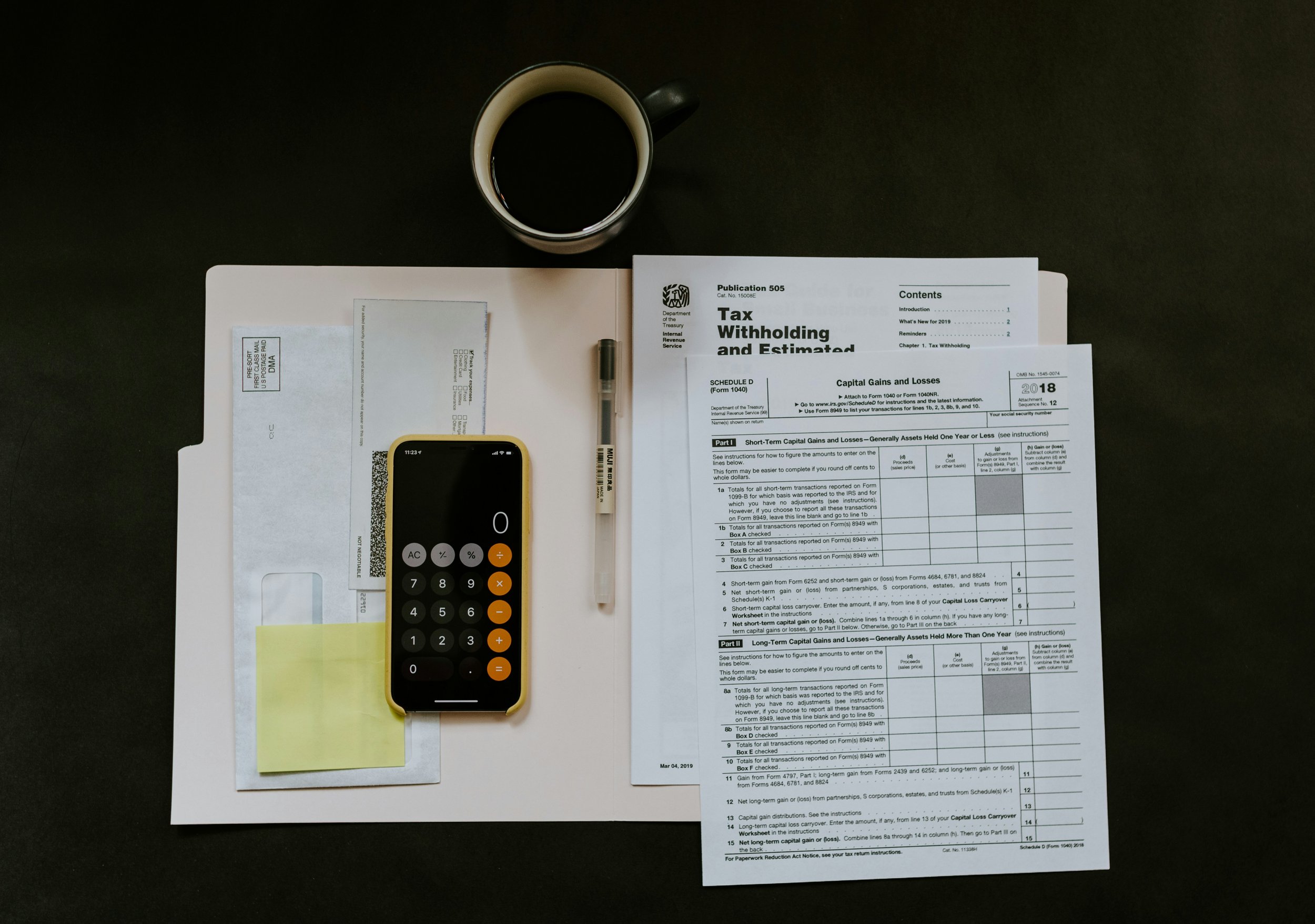
Why a Tax Refund Isn’t Always What It Seems
A tax refund can feel like a win—but often, it simply means you paid more in taxes throughout the year than you needed to. That money was already yours, it just didn’t feel accessible at the time.
The average refund is around $3,600, which breaks down to about $300 per month. And for many families, $300/month could mean a little more breathing room all year long—not just in one moment.
This isn’t about doing anything wrong. It’s just a place to begin noticing what’s possible.

A Simpler Way to Understand Where Your Money Is Going
If budgeting has ever felt overwhelming, it might be because it’s been explained in a way that feels complicated before you even begin.
But understanding your money doesn’t have to start that way.
Sometimes it helps to look at it more simply.

Why It’s So Hard to Start When Your Finances Feel Overwhelming
When your finances feel overwhelming, it’s not just about the numbers.
It’s about how it feels to look at them.
That hesitation before logging into your bank account.
That voice that says, “I should have this figured out by now.”
That weight that makes you want to avoid it altogether.